

On-Site Delegate Experience: The Small Things That Decide the Day

The First Five Minutes
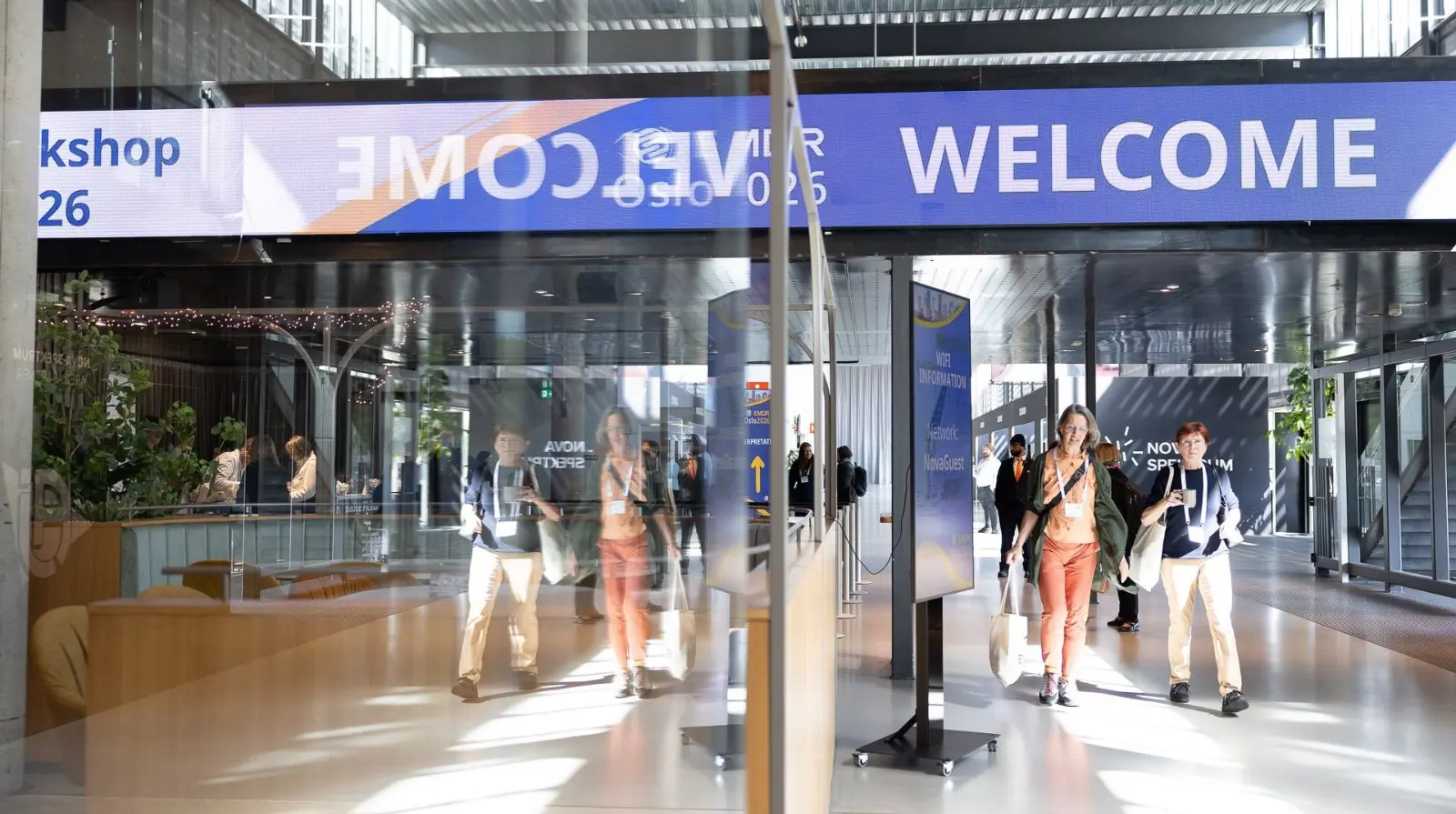
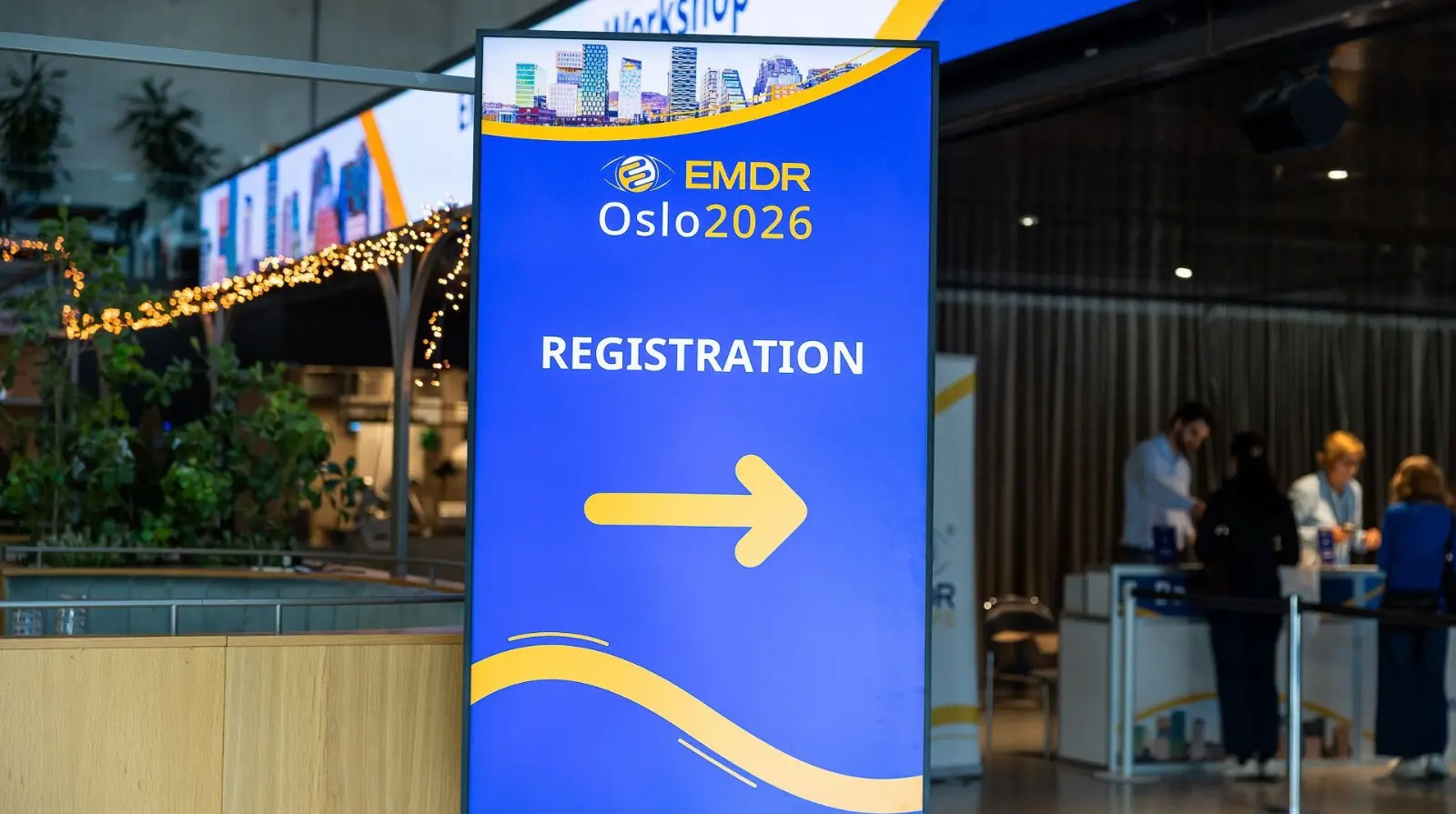
At EuCornea 2026 in Porto, our on-site team printed badges on the spot for 830 delegates, and the queue barely formed. That was not luck. Registration is where the day is won or lost, so we built it to move: connected systems, self-service badge printing and a mobile app that let delegates arrive ready.
The mechanics matter. So does the manner. Even in a rush, a smile and a word of direction turn a stressful moment into a welcome, and delegates who feel looked after rarely mind a short wait. Most of the work happens before the doors open: pre-event emails clear enough that people arrive with their badge preview ready, staffing sized to a peak we can usually predict for a returning congress, and team members working the queue, so nobody reaches the desk unprepared.
How long is too long? We do not measure the queue to the minute, but experience gives us a working standard: up to five minutes is a good wait, beyond five is not ideal and beyond 15 is a bad one. The complication is human. However clearly we ask delegates to arrive early, many still come in the last few minutes before the first session – and it is that crush they remember as a long queue. So we give them better information: at DrupalCon we began sharing a graph of peak and quiet registration times, and we are extending that to other congresses.
Signage, Rooms and the Art of Not Getting Lost
The most common wayfinding failure is not a lack of signs. It is the wrong ones. A handful of clear, well-placed signs that show delegates exactly where to go beats a forest of signage that only adds to the confusion.
Large venues turn this into logistics. At the EMDR Europe conference we run four parallel tracks; at the European Astronomical Society congress, 13 rooms at once, each with a volunteer in live contact with the speaker-preview desk and our team, ready to flag a late speaker or a technical hitch the moment it happens. Before every session block the team splits up and walks the rooms. Speakers who want to test their slides do so with a technician, usually over lunch.
Audiences are international, and English is not always a given. Where a delegate speaks little English, interpretation lets us welcome and include them rather than leave them at the edge of the room. When there is no interpreter, we find another way, because people who want to understand each other usually do. We avoid last-minute changes where we can. When one is unavoidable, a push notification through the event app reaches everyone who has it, and a printed notice at the room door and the registration desk catches everyone who does not.
The Break That Actually Works
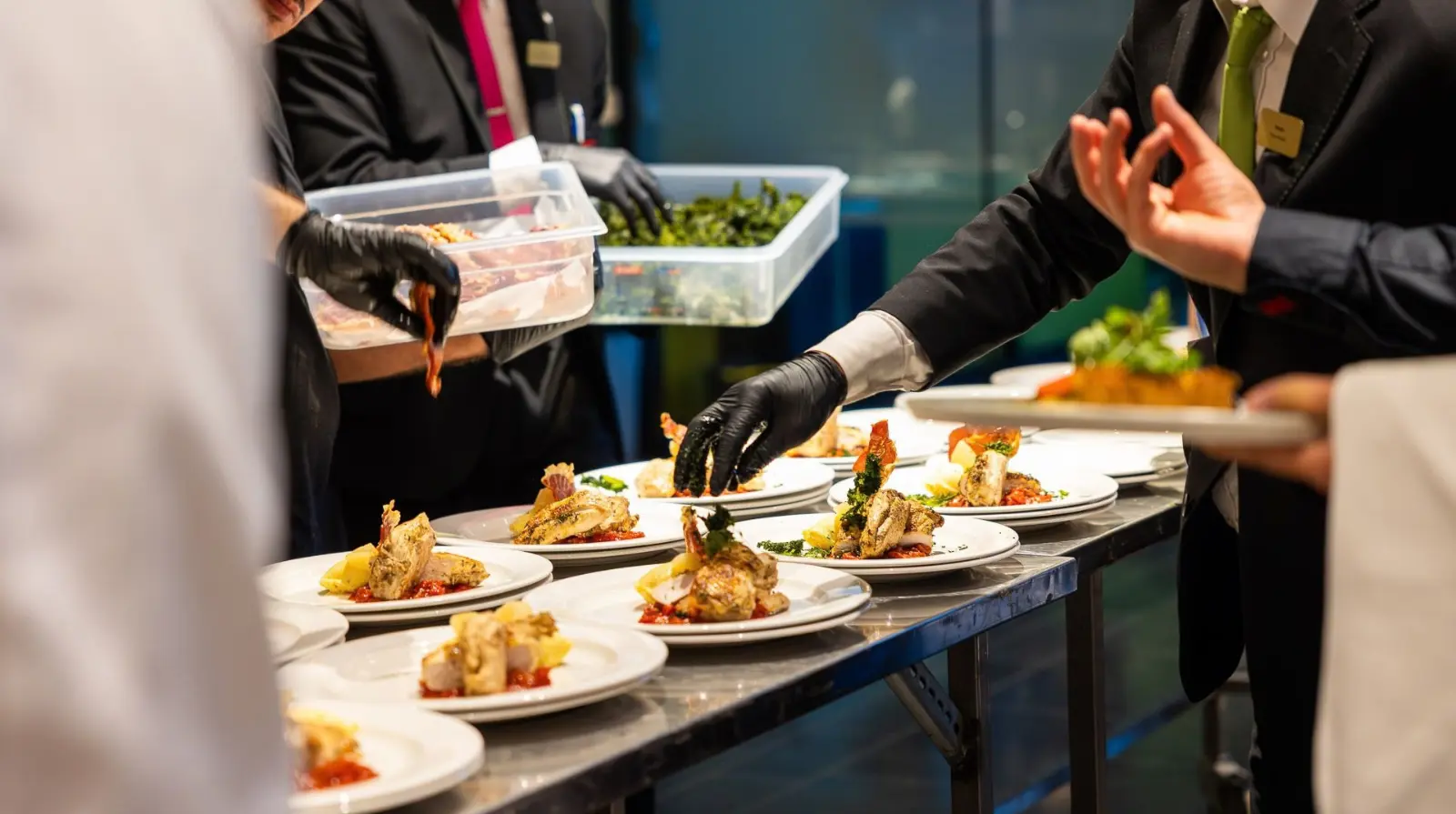
Nothing colours a delegate’s mood faster than food and drink. When coffee is ready, breaks flow smoothly, lunch starts on time and quality meets expectations, delegates feel the day is well managed. That’s why we work ahead to ensure expectations are met. We agree timing and service with the venue in advance and, wherever we can, have catering in place before a session ends, so delegates flow straight into the break instead of waiting for it. Delivering the catering is the venue provider’s job; our project manager is on site to see that it arrives on time and works as agreed.
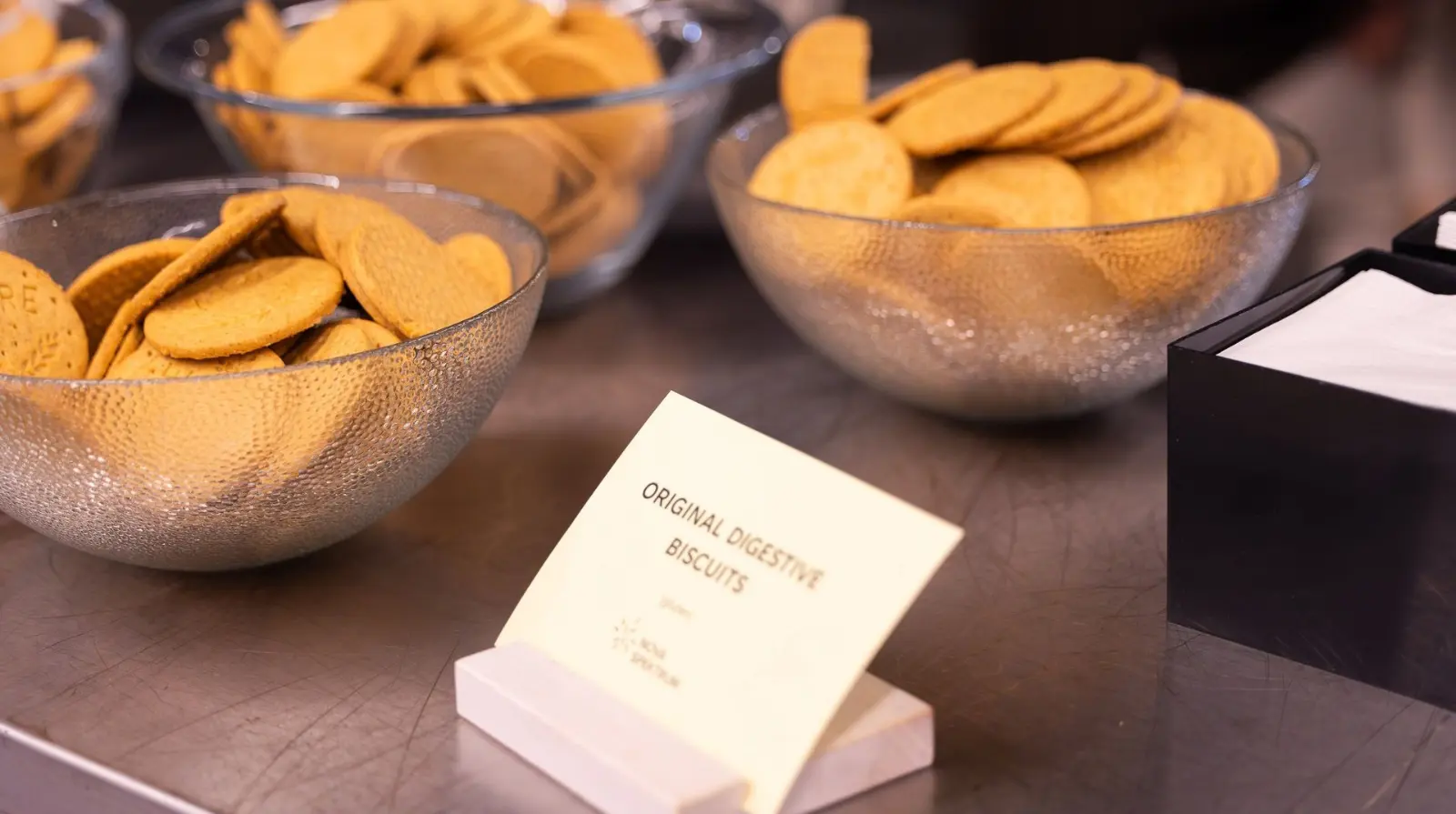
It helps to walk through the day in a delegate’s shoes. What will they see when they come out of the room? Will they know where to go? Will the food be ready, and will there be time to drink a coffee and get back before the next session? In our experience a European coffee break means coffee, tea and water, sometimes juice, and a few sweet things such as pastries or biscuits. Fresh-cut fruit is increasingly expected too, with the happy side effect of covering gluten-free and dairy-free needs.
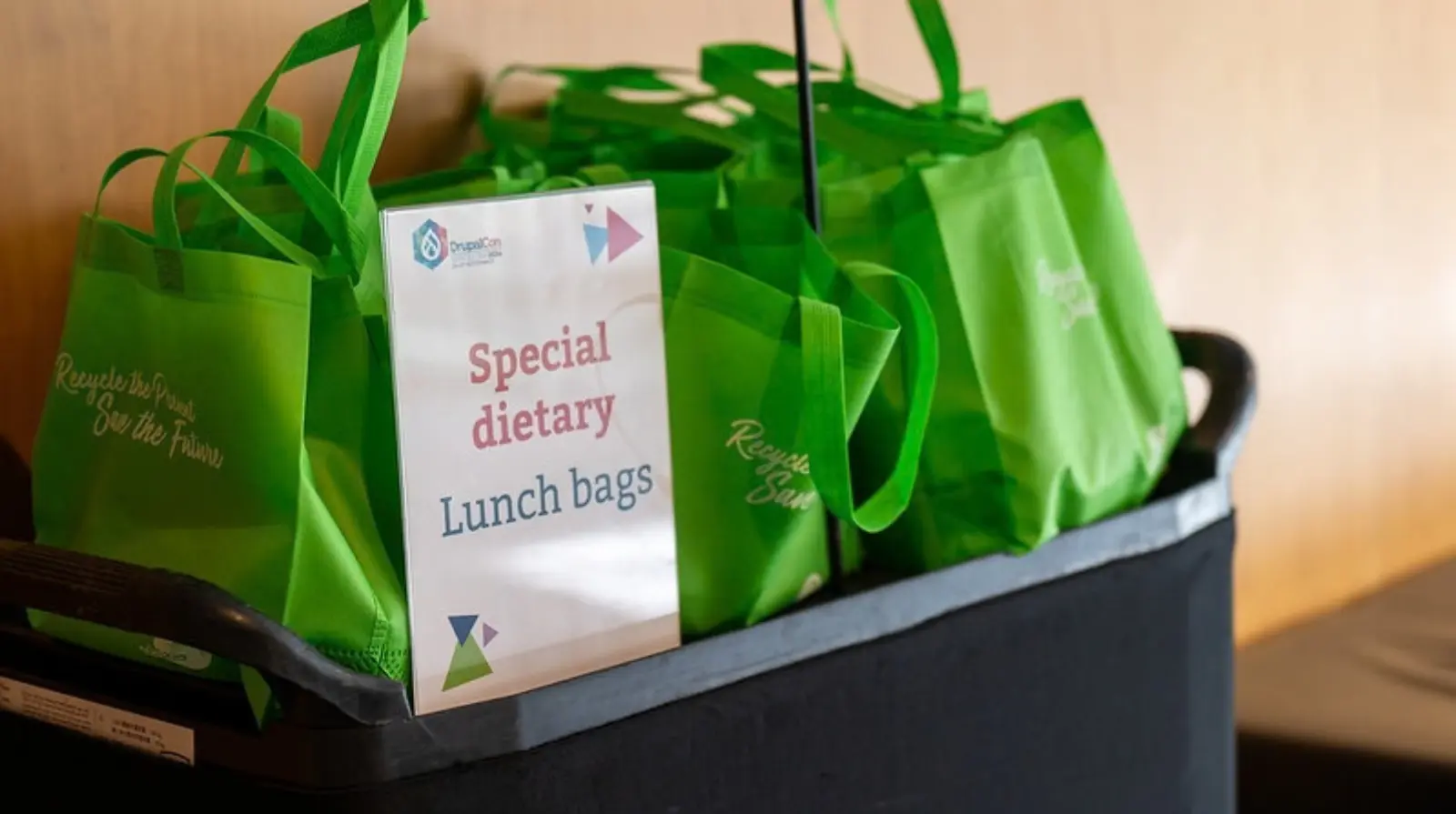
Sometimes the fix is smaller still. At one congress our project manager walked along the buffet before the break and saw that the dish cards carried no allergen information. For delegates with declared allergies, that information matters. She asked the caterer to add the missing details and, because the break was already beginning, wrote the cards by hand herself while the kitchen caught up. Most people in the room would never have noticed. For someone with a nut allergy, its absence could have changed the whole experience.
The Small Things – and the Ones Teams Miss
Small gestures often carry more weight than their cost suggests. A bowl of sweets on the registration desk, a genuine welcome at the entrance, a helpful face outside the session rooms or a sign that adds a little warmth on the way to coffee all tell delegates the same thing: someone has thought about their day.
What teams sometimes miss are the quieter needs. Enough seating. A place to step away. A coffee break long enough for both a drink and a conversation. A lunch that does not feel rushed. A gap before the evening social so people can return to the hotel, answer an email or simply breathe. Increasingly, it also means designing for several generations at once, with different expectations of networking, learning and technology.
When a Room Overflows
The challenge is knowing, before the doors open, which sessions will draw the biggest crowds. In a multi-track congress, we can estimate likely demand and match sessions to the right rooms, but delegate behaviour on the day is never entirely predictable. One of our congresses runs almost 20 concurrent sessions, so preparation and live monitoring are essential. We ask the programme committee where they expect the strongest interest, capture delegates’ areas of interest at registration, and keep an eye on room capacity throughout the day. If a session starts to overflow, we can stream it to an overflow room or move it where possible. The goal is simple: no delegate should end up standing at the back, or sitting on the floor.
What the Venue Lets You Do
How easy any of this is depends partly on the building. In Europe, congresses of around 500 delegates or more are often better suited to dedicated congress centres than hotels, mainly because they need more breakout rooms, circulation space and operational flexibility. That threshold is not fixed. It depends on the association, the destination and the venue options available. The trade-off is coordination. A hotel may give the organiser one main contact, while a congress centre can involve several suppliers, from catering and AV to security and cleaning. Some congress centres also offer a single point of contact, so the distinction is not absolute, but the organiser’s role is often to make all the moving parts feel joined up.
Local rules also shape what the on-site team can manage directly. Employment conditions, weekend or public-holiday supplements, mandatory breaks and food hygiene requirements vary by country, while data collected through badge scans or queue analytics needs to be handled carefully and transparently. Requirements depend on the destination and are built into planning from the start. Where we use delegate data, it is aggregated where appropriate, and consent is addressed clearly during registration.
Accessibility is a starting requirement, not an afterthought. There is no single checklist that fits every congress. Instead, we gather the needs of each event in advance and factor them into the venue choice, from step-free access and front-row seating for delegates with impaired sight or hearing to registration pages that are easy to use. Accessibility is financial as well as physical: a fee that remains within reach is part of what makes a congress open to more people. As accessibility becomes more prominent in association tenders, it needs to be planned from the beginning rather than added later.
On-Site, in Practice

Putting This to Work on Your Congress
None of this is the headline of a congress. That is the point. The signage, the queue, the coffee and the quiet corner are what delegates actually remember, and getting them right is a craft. At Kuoni Tumlare Congress we treat these details as core delivery, not extras. If you are planning a congress and want the on-site experience to feel effortless, our professional congress organiser services are built around exactly this.


Related Insights
Keep exploring. More news and perspectives await.